royalcivilityinstitute@gmail.com

Professor Julian Businge is the visionary behind Royal Civility — a divine movement restoring identity, legacy, and spiritual royalty through education, mentoring, and royal diplomacy. As a nurse, author, and prophetic leader, she equips individuals, families, and kingdoms to walk in their God-ordained nobility. Through books, courses, summits, and sacred storytelling, she invites you to Unlock Your Divine Royalty and shape history with purpose.

King Clyde Rivers speaking at Freedom Park South Africa Africa We Honor launch

Royal Diaspora Monarch makes History in South Africa

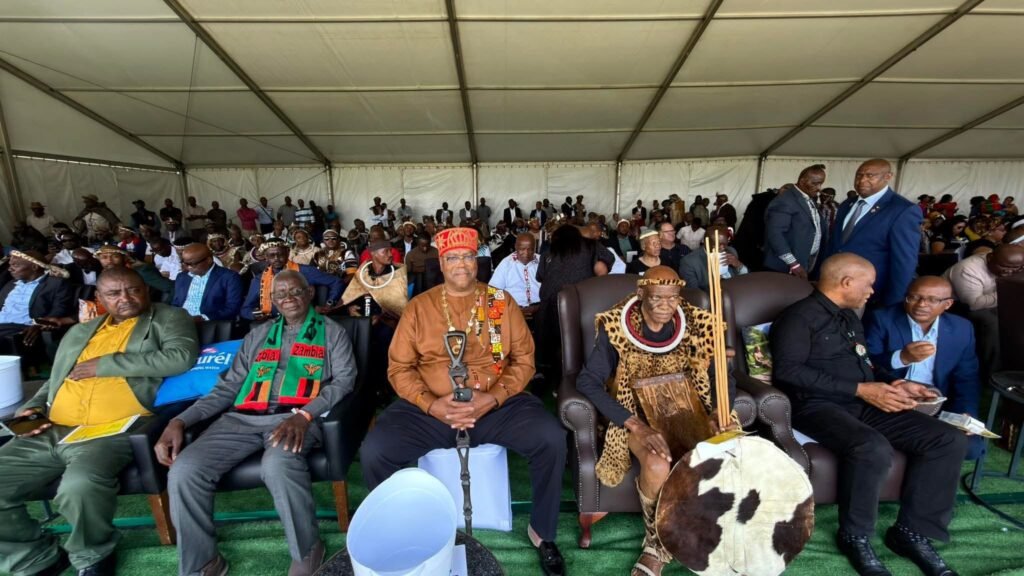
Royal Diaspora Monarch South Africa marked a historic moment on March 5, 2026, at Freedom Park in Pretoria. HRM King Clyde Rivers, recognized as the Royal Diaspora Monarch, became the first Diaspora monarch to speak at the iconic heritage site, where he delivered a powerful presentation and officially launched “Africa We Honor,” a new consciousness aimed at redefining Africa’s global identity.   The event brought together African royalty, with kings and queens representing over 500 kingdoms present in the room. The gathering reflected a strong sense of unity and shared purpose among traditional leaders committed to advancing Africa’s cultural identity and global influence.   The Royal Diaspora Monarch South Africa engagement emphasized the importance of recognizing Africa as a continent of royalty, value, and heritage. Through the “Africa We Honor” initiative, King Clyde Rivers highlighted the need to reshape global perceptions and awaken a deeper appreciation for Africa’s contributions to the world.   With over 350 million Africans in the diaspora, the initiative focuses on building a new consciousness rooted in identity, unity, and cultural pride. It encourages Africans around the world to honor their traditions, including dance, food, land, and heritage, while embracing their place within a royal lineage.   This movement also calls for stronger connections among African communities globally, promoting mutual respect, shared values, and a renewed understanding of cultural identity. By lifting perspectives and reinforcing the value of African heritage, “Africa We Honor” serves as a catalyst for confidence and leadership among people of African descent.   A major highlight of the visit was the gathering at Freedom Park, a historic national heritage site inspired by the vision of Nelson Mandela. The site stands as a symbol of unity, remembrance, and the ongoing journey toward freedom and dignity across Africa.   King Clyde Rivers described the moment as an honor, noting the significance of connecting Africans on the continent with those in the diaspora. The event reinforced the beauty, strength, and global importance of Africa and its people.   This historic day at Freedom Park in Pretoria demonstrated the power of unity among African leaders and traditional institutions. As the “Africa We Honor” movement continues to grow, it is expected to inspire a new generation to embrace their identity, value their heritage, and lead with confidence rooted in royalty and cultural pride.  

Royal Diaspora Monarch makes History in South Africa Read More »

King Clyde Rivers visiting South Africa meeting traditional kings

HRM King Clyde Rivers Visits South Africa, Engages with Traditional Kings and Cultural Leaders

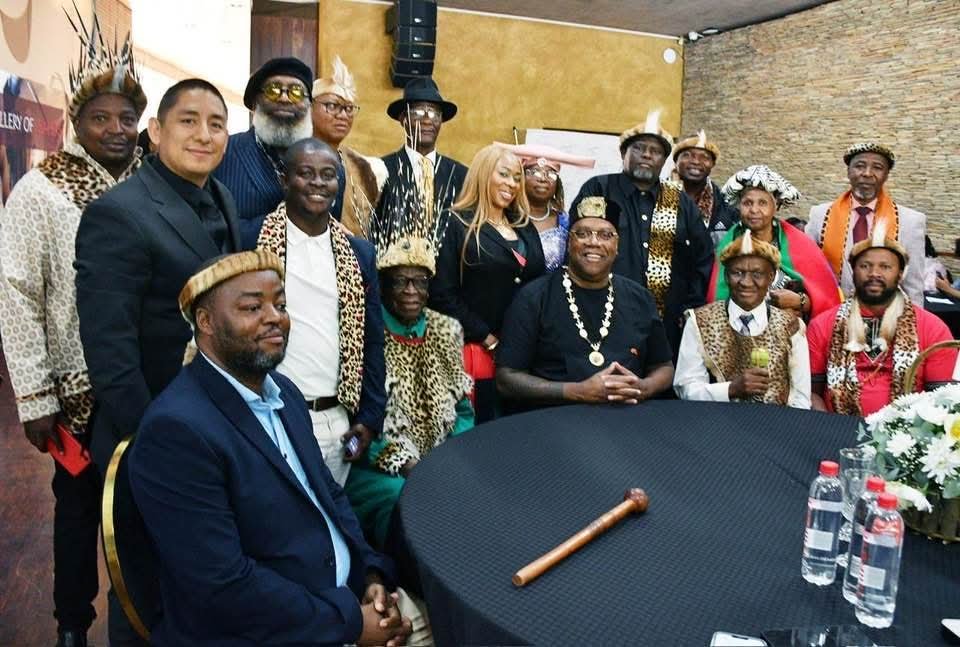
  King Clyde Rivers South Africa Visit marked an important moment for cultural diplomacy and civility leadership across the continent. HRM King Clyde Rivers, internationally known as The Father of Civility Africa and The King of Civility, recently visited South Africa for a series of high-level engagements with traditional leaders, royal delegations, and cultural institutions.   During the visit, HRM King Clyde Rivers participated in a special dinner attended by more than twenty traditional kings from Southern Africa, fostering dialogue on leadership, cultural preservation, and the role of civility in governance.   The visit also included meetings with leaders from Eswatini and the Sovereign Congress of Traditional Leaders, strengthening partnerships between traditional institutions and the global civility movement.   A highlight of the visit was HRM King Clyde Rivers being welcomed to Freedom Park, a historic national heritage site honoring the legacy of Nelson Mandela and the struggle for freedom across Africa.   Reflecting on the visit, King Clyde Rivers emphasized the importance of civility as a guiding principle for leadership and unity across nations.   The engagements formed part of the ongoing work of iChange Nations, a global organization dedicated to promoting civility, justice, and humanitarian leadership worldwide.   According to Duchess Julian Businge, Founder of the Royal Civility Institute, the visit represents a significant moment for cultural diplomacy in Africa. “Africa’s traditional leadership structures remain essential pillars in shaping societies rooted in dignity, honor, and service. This visit strengthens the global movement for civility and leadership across the continent.”   HRM King Clyde Rivers continues to work with leaders worldwide to promote civility as a foundation for peace, governance, and social transformation.   The Importance of Civility in Leadership   Civility remains a foundational value in leadership across cultures. HRM King Clyde Rivers continues to advocate for leadership that prioritizes dignity, respect, and service to communities worldwide.   Strengthening Partnerships Across Africa   The visit also highlights the importance of collaboration between global leadership movements and Africa’s traditional institutions. These partnerships contribute to strengthening cultural diplomacy and leadership development across the continent.   The Role of Civility in Global Leadership   The King Clyde Rivers South Africa Visit also highlighted the growing importance of civility in leadership and governance. Across many nations, leaders are increasingly recognizing that civility, respect, and ethical leadership are essential in building peaceful and sustainable societies.   HRM King Clyde Rivers has long advocated for leadership rooted in dignity, accountability, and service. Through his global engagements, he continues to inspire leaders to embrace values that strengthen communities and encourage unity among diverse cultures and nations.   These principles are especially important in regions where traditional leadership institutions play a vital role in guiding communities and preserving cultural heritage.   Strengthening Cultural Diplomacy Across Africa   The visit further underscores the importance of cultural diplomacy and cooperation between global leadership initiatives and Africa’s traditional institutions.   Traditional kings and cultural leaders continue to serve as custodians of heritage, values, and identity within their societies. By engaging with these leaders, HRM King Clyde Rivers is helping to build bridges between global leadership movements and traditional governance structures across the continent.   According to iChange Nations, partnerships like these contribute to the promotion of civility, justice, and humanitarian leadership worldwide.   As the global civility movement continues to grow, collaborations between international leaders and Africa’s traditional institutions will remain key in promoting peace, leadership development, and social transformation.   In conclusion, the King Clyde Rivers South Africa Visit reflects the continued growth of the global civility movement across Africa and beyond. As leaders work together to promote dignity, respect, and responsible leadership, such engagements strengthen partnerships that contribute to peace, love, cultural understanding, and sustainable leadership development across nations.

HRM King Clyde Rivers Visits South Africa, Engages with Traditional Kings and Cultural Leaders Read More »

high functioning professional woman experiencing leadership burnout

5 Signs You’re a High-Functioning Professional Woman Running on Empty

A high functioning professional woman often carries enormous responsibility. She performs well at work, supports others, and continues showing up even when she feels exhausted. From the outside she appears capable and successful, but internally she may be running on empty.   Many high-functioning professional women are running on empty, continuing to perform while feeling internally exhausted, disconnected, or overwhelmed.   This kind of burnout is difficult to recognize because it hides behind productivity. The work still gets done. Responsibilities are still fulfilled. But internally, something begins to feel off.   If you are a professional woman in a demanding role, here are five signs you may be running on empty.   1. You Are Always Responsible for Everyone Else   Many professional women are natural caregivers and problem-solvers. Whether in healthcare, education, leadership, or entrepreneurship, others rely on them for support, stability, and decisions.   Over time, constantly carrying responsibility for others can create emotional fatigue.   You may notice that:   Everyone comes to you for answers You feel responsible for fixing problems You rarely have space to process your own needs While leadership requires responsibility, constant emotional output without renewal eventually leads to burnout.   2. You Are Successful but Feel Internally Disconnected   One of the most confusing experiences for high-achieving women is feeling empty despite clear external success.   You may have:   A respected career Professional recognition Years of experience Stable responsibilities Yet internally you feel distant from yourself, your purpose, or the passion you once had for your work. This disconnect often happens when achievement grows but internal clarity does not grow with it.   3. You Rarely Pause Because People Depend on You   High-functioning professionals often believe they cannot slow down because too many people rely on them.   You may feel that if you stop:   Work will fall behind Others will struggle Expectations will not be met So instead of resting or reflecting, you continue pushing forward. Over time, this creates a cycle where performance continues but inner strength slowly drains.   4. You Carry Pressure Quietly   Many professional women are exceptionally resilient. They maintain professionalism even when experiencing stress, pressure, or exhaustion. Others rarely see the internal weight they carry.   Because of this strength, people often assume you are always fine. But leadership pressure that remains unprocessed can gradually affect clarity, decision-making, and emotional resilience.   5. You Feel Like You’ve Lost Connection With Your Own Direction   Another sign of burnout is losing clarity about your personal direction. You may still be functioning well in your role, but you start asking deeper questions such as: Is this the life I want to continue living? Why do I feel so tired even when things are going well? Have I lost connection with my purpose?   These questions are not signs of failure. They are often signals that your leadership identity needs renewal and recalibration.   Why This Happens to Many Professional Women   Many professional women spend years serving others, leading teams, and carrying responsibility. But very few environments create space to strengthen the internal foundations of leadership, such as:   Identity Authority Stewardship Influence   Without these foundations, external success can grow faster than internal stability.   Rebuilding Leadership From the Inside   True leadership strength begins internally. When professional women rebuild clarity about who they are, what they carry, and how they lead, pressure no longer drains them in the same way.   Instead of simply surviving responsibility, they lead with grounded confidence and purpose.   This is the focus of the Royal Mindset Coaching Programme, developed to help professional women strengthen their internal leadership foundation so they can thrive under pressure rather than be overwhelmed by it.   Final Thought   Many high-functioning professional women continue performing long after their internal strength has begun to fade. Recognizing the signs of burnout is not weakness. It is the beginning of leadership renewal.   When clarity, identity, and purpose are strengthened, leadership becomes sustainable again.   Explore the Royal Mindset Coaching Programme   If you are a professional woman navigating responsibility, pressure, and leadership demands, the Royal Mindset Coaching Programme helps you rebuild the internal foundation needed to lead with clarity, resilience, and influence.   Frequently Asked Questions   What does it mean to be a high functioning professional woman?   A high functioning professional woman is someone who consistently performs well in her career and responsibilities, even when she feels mentally or emotionally exhausted. She is often dependable, productive, and capable, but may silently struggle with stress or burnout.   Why do many professional women experience burnout?   Burnout in professional women often happens because they carry multiple responsibilities at once career demands, leadership roles, family expectations, and emotional support for others. Over time, constant pressure without proper rest or reflection can lead to exhaustion.   What are the early signs of burnout in professional women?   Some common signs include constant fatigue, difficulty disconnecting from work, feeling emotionally drained, losing.   How can professional women recover from burnout without leaving their careers?   Recovering from burnout does not always require leaving your career. Many professional women benefit from creating space to rest, reflect, and rebuild their internal leadership foundations.   This can include strengthening personal boundaries, clarifying purpose, and developing healthier ways to manage responsibility. Leadership coaching can also help women regain clarity, confidence, and balance while continuing to grow in their professional roles.    

5 Signs You’re a High-Functioning Professional Woman Running on Empty Read More »

Discover the meaning of a Christian Prayer Shawl and how it strengthens your spiritual journey.

What a Prayer Shawl Represents and Why It Matters in Your Spiritual Journey

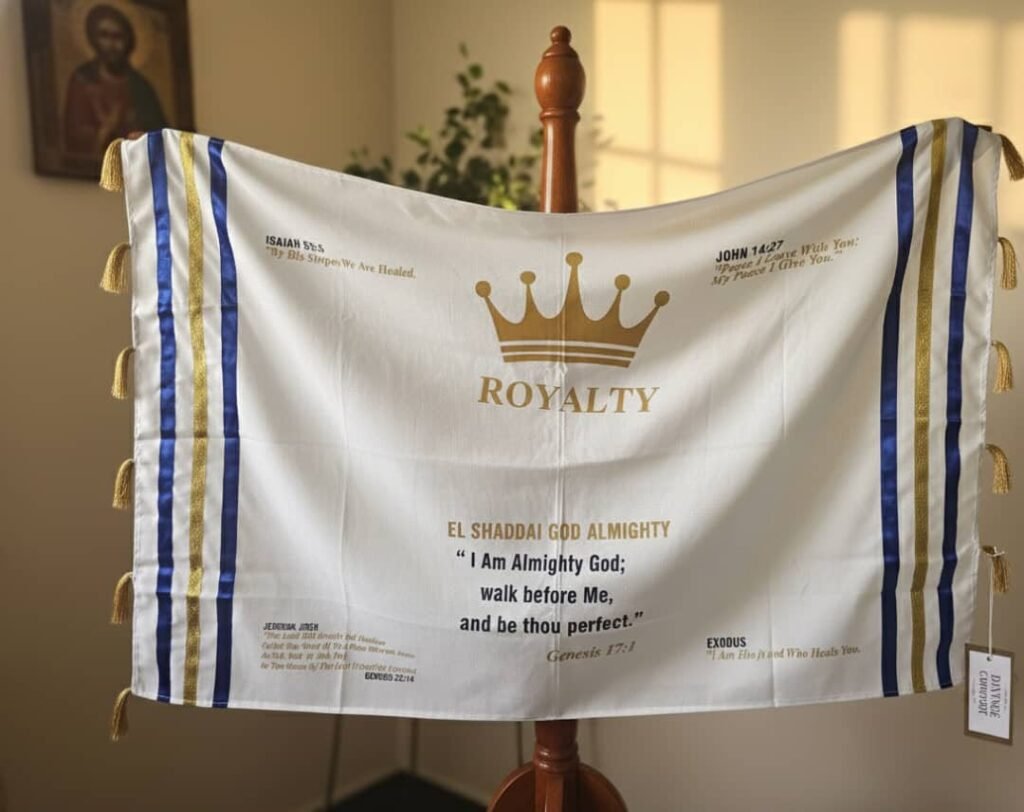
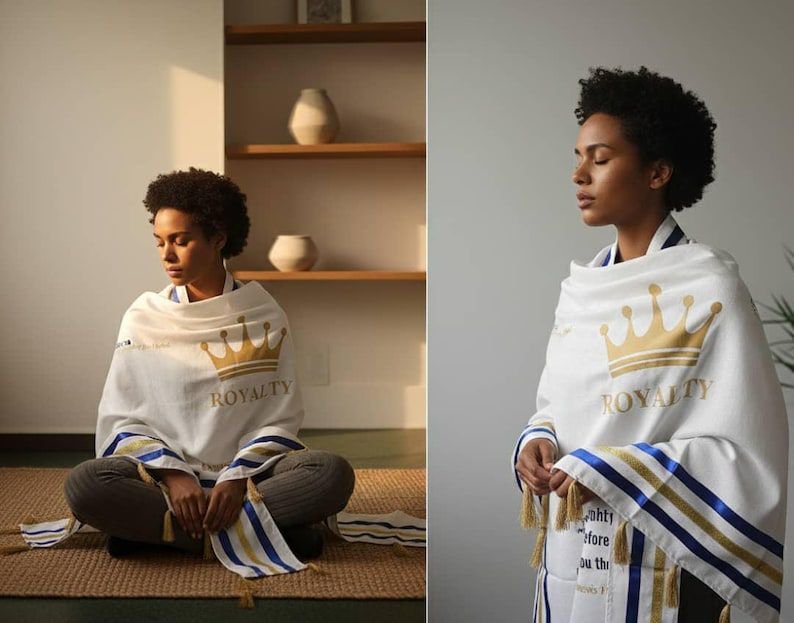
    In a world filled with noise, distractions, and spiritual battles, many believers are rediscovering the beauty of intentional prayer.   At Royal Civility Institute, we believe that identity shapes behavior. When you understand who you are in Christ your prayer life changes. You no longer approach God from insecurity, but from divine sonship and purpose.   One spiritual tool that has helped believers cultivate deeper intimacy with God is the Christian prayer shawl, also known as a prayer mantle or tallit-inspired covering.   But what exactly does a prayer shawl represent? And why does it matter in your spiritual journey?   In this blog post, we’re going to explore what prayer shawl represent and why it matters in your spiritual journey.   Let’s explore.   What Is a Prayer Shawl?   A prayer shawl is a symbolic spiritual covering traditionally rooted in biblical practice. In Jewish tradition, the tallit was worn during prayer as a reminder of God’s commandments and covenant.   Today, many Christians use prayer shawls during worship, intercession, spiritual warfare, and personal devotion. While it is not a requirement for prayer, it serves as a tangible reminder of God’s presence, covering, and authority.   A Christian prayer shawl represents:   Spiritual focus Reverence in prayer God’s covenant promises Divine covering and protection Identity in Christ It is not about ritual, it is about intentionality.   The Spiritual Significance of a Prayer Mantle   Throughout Scripture, garments often symbolized authority, calling, and divine assignment.   When Elijah passed his mantle to Elisha, it symbolized the transfer of spiritual authority and purpose. In the New Testament, believers are described as a “royal priesthood.”   A prayer mantle today functions as a reminder of that truth.   When you place a prayer shawl across your shoulders, you are making a conscious decision to step away from distraction and into sacred space. It becomes a personal signal: “This moment is set apart.”   For many believers, using a prayer shawl helps:   Eliminate distractions during prayer Create a consistent prayer routine Strengthen focus during spiritual warfare Establish sacred moments of worship Cultivate peace and spiritual clarity It becomes a physical expression of an inward posture.   Why Prayer Tools Matter in Spiritual Growth   Spiritual growth does not happen accidentally. It requires rhythm, discipline, and intention.   While prayer itself does not require any physical object, tools like a prayer shawl can support your devotional life by creating structure and atmosphere.   Think of it this way: Just as a journal helps you organize your thoughts, and worship music helps create an environment of praise, a prayer shawl helps mark a moment as holy.   It signals to your mind and spirit that you are entering into communion with God.   In seasons of breakthrough prayer, midnight intercession, or deep spiritual reflection, this intentional act can strengthen consistency and deepen intimacy.   Royal Identity and the Meaning Behind the Shawl   At Royal Civility Institute, our message has always centered on identity.   Scripture declares that we are “kings and priests unto God.” That truth is not symbolic poetry, it is spiritual reality. When you understand that you are royalty in the Kingdom of God, you begin to pray differently. You pray with confidence, with authority and with clarity of purpose.   A prophetic prayer shawl becomes more than fabric, it becomes a reminder:   You are not ordinary. You are called. You are covered. You are chosen.   Every time you wear it during prayer, it reinforces your divine identity and alignment with God’s purpose for your life.   Incorporating a Prayer Shawl into Your Devotional Life   If you are new to using a prayer shawl, here are simple ways to begin:   Set aside a specific time daily for prayer. Place the shawl over your shoulders as you begin. Take a few deep breaths and invite God’s presence. Read a passage of Scripture aloud. Speak declarations or pray intentionally over your life and family.   Over time, this simple practice can transform your prayer routine into a deeply sacred rhythm.   A Meaningful Expression of Faith   Whether you are building a breakthrough prayer routine, stepping into a new spiritual season, or looking for a meaningful Christian gift, a prayer shawl serves as a lasting reminder of identity, covering, and divine purpose.   As part of our mission to equip believers in spiritual growth and royal identity, we have created beautifully crafted Christian prayer shawls designed for worship, intercession, and personal devotion.   Each one also includes a complimentary 35-Day Royal Declaration devotional ebook to help strengthen your daily prayer life.   If you are ready to deepen your spiritual journey and create more intentional prayer moments, you can explore our prayer shawl collection here.   Final Reflection   Prayer is powerful on its own. But intentional prayer changes atmospheres.   A prayer shawl does not replace faith, it supports focus.   It does not replace authority, it reminds you of it.   It does not replace identity, aaaaazaaz1it reinforces it.   And when you pray from the understanding that you are royalty in Christ, everything shifts.   If this message encouraged you or helped you understand the deeper meaning behind a prayer shawl, we would love to hear from you.   Share your thoughts in the comments below how do you create intentional prayer moments in your life?   And if you believe this post could bless someone else, feel free to share it with a friend, family member, or fellow believer who is seeking deeper intimacy with God.   Together, let’s continue building lives rooted in royal identity, purpose, and divine alignment.

What a Prayer Shawl Represents and Why It Matters in Your Spiritual Journey Read More »

You Are Royalty by Design: Awaken the Crown Withi

There comes a moment in life when the ache for more becomes louder than the comfort of fitting in. You look around and feel like you don’t quite belong not because you’re proud or ungrateful, but because your spirit remembers something greater. Something eternal. Something royal. You, beloved, were never meant to merely survive in the crowd.You were designed to reign with Christ. At the Royal Civility Institute, we often meet people who carry an unseen crown—those who feel called to a life of meaning, service, and spiritual authority, yet doubt their worth because the world hasn’t recognized their throne. If that’s you, let me remind you of a divine truth: “But you are a chosen generation, a royal priesthood, a holy nation, a peculiar people…” (1 Peter 2:9) This scripture isn’t symbolic. It’s a heavenly decree. The Forgotten Crown Many walk through life wearing invisible robes of shame, insecurity, or survival. But beneath that is a royal garment—woven with honor, purpose, and divine design. Royalty isn’t about wealth or titles. It’s about identity. It’s the sacred awareness that you carry God’s image, His Spirit, and His authority on earth. You don’t need to be born in a palace to walk in royalty.You need to awaken the royalty that was born in you. The Reign Begins Within Reigning with Christ is not just a spiritual cliché. It’s a call to maturity, responsibility, and presence. It’s choosing civility in chaos. It’s walking in dignity when dishonor surrounds you. It’s standing tall in your purpose, not because of applause, but because heaven has already affirmed you. True royalty doesn’t rule over people.It serves, uplifts, and transforms environments through character and clarity. The Signs Are Already There Have you ever felt deeply uncomfortable in dishonor, gossip, or mediocrity? Have you longed for sacredness in a world that normalizes noise? Have you sensed that your life must contribute to something greater than just survival? These are not coincidences. They are the whispers of the crown calling you. Royal souls are often misunderstood. They carry burdens others don’t see—burdens for justice, beauty, truth, and healing. They are peacemakers, visionaries, restorers. They can sit with the broken and speak with kings. That’s the posture of royalty. The Call of Royal Civility At Royal Civility, we are not building a brand. We are advancing a movement—a sacred mission to restore divine identity, global honor, and legacy leadership. Through our Institute, Hall of Fame, Diplomacy School, and Royal Travel Experiences, we are gathering those who are ready to step into their crown—not just in theory, but in embodied transformation. You are part of this story. We don’t care where you started. We care about where you’re going—and whether you’re ready to walk like the king or queen you were always destined to be. Will You Say Yes to the Crown? The world is full of performers. What we need are presence-carriers. Daughters and sons of God who walk with purpose, pray with fire, build with wisdom, and live with eternity in mind. You don’t need to chase platforms. You carry a palace within.And when you rise, you give others permission to do the same. Let this blog post be a coronation moment a holy reminder that your crown has been waiting, not for perfection, but for your agreement. 👑 Say it aloud with me: “I am royalty by design. I reign with Christ. I walk in honor. I build for eternity.” And now… walk like it.

You Are Royalty by Design: Awaken the Crown Withi Read More »

alt="Royal leadership with character"

What Makes a Leader Royal – The Difference Between Title and Character

    Royal leadership is not just about wearing a crown,  it’s about carrying character, legacy, and purpose. In a world overflowing with titles, what truly makes a leader royal? Is it the crown upon their head or the character within their heart? At the Royal Civility Institute, we teach that royalty is more than bloodline or protocol. It is a posture of the soul. It is leadership shaped by divine identity, ancestral values, and unwavering integrity.   In this blog post, we explore the sacred difference between title and character, between political influence and royal authority, and why our generation needs a return to leadership with character.   Royal Leadership vs Political Leadership Political leaders are often appointed or elected based on popularity or power dynamics. But royal leadership is cultivated through legacy, values, and spiritual authority. A political leader may win an office, but a royal leader carries the weight of destiny. They don’t just govern they guard the identity, peace, and purpose of the people they serve.   The True Measure of Nobility Many confuse nobility with privilege, but true nobility is about service, honor, and sacrifice. It is the ability to uphold what is right even when it is unpopular.  As the Royal Civility Institute teaches, “royalty is not about being served, it’s about who you become while serving.”   Leadership with Character Character is the invisible crown every royal must wear. A true leader walks in humility, speaks with wisdom, and leads with conviction. They do not demand loyalty they inspire it.   A royal leader: Keeps their word Builds trust Honors elders and legacy Uplifts the weak Defends truth, even in silence In short, what makes a true leader is not status but spirit.   The African Heritage of Royal Integrity Across Africa, leadership was never separated from morality. African royal values emphasized civility, wisdom, and communal dignity. Elders, kings, and chiefs governed with moral clarity  knowing they were answerable not just to their people, but to their Creator and ancestors. It’s time we reclaim these values, not just in palaces, but in boardrooms, ministries, and homes.   Royal Civility: Where Divine Identity Meets Leadership                   At the Royal Civility Institute, we champion a new generation of leaders who: Know who they are in God Lead from within Understand legacy is greater than popularity Carry themselves with sacred protocol   We call this Royal Leadership by Design and it is available to anyone who chooses to walk in purpose, honor, and destiny.     Conclusion   You Are Royalty by Character, Not Just Title. In the end, your crown is not made of gold  it is made of grace, wisdom, and humility. You may never sit on a throne, but if you lead with character, serve with integrity, and honor your divine identity, you are royal in the eyes of heaven.   Royal leadership is not about dominance, it’s about destiny. It’s not about being above others, but being accountable to a higher standard. This type of leadership is deeply needed in our generation: in families, in organizations, in ministries, and in nations.   We must raise leaders who are not intoxicated by applause but grounded in identity. Leaders who know that integrity speaks louder than influence. Leaders who understand that a good name is better than temporary fame.   At the Royal Civility Institute, we believe royalty is not a status you inherit, it’s a standard you choose. Every act of kindness, every moment of discipline, every decision made with honesty and honor is a brick in the foundation of true leadership.   So, whether you’re a student, a parent, a pastor, a professional, or a king, remember: your character is your crown. Wear it boldly.   Let us raise leaders who rule not by fear but by faith and civility.   Join the Movement Enroll in the Royal Civility School of Diplomacy Nominate a leader for our Envoy of Honor Hall of Fame  

What Makes a Leader Royal – The Difference Between Title and Character Read More »

Promotional graphic for the launch of the Royal Civility School of Diplomacy and Leadership, featuring royal-themed elements and global leadership messaging

Royal Civility Initiative Launches the School of Diplomacy and Leadership

A Kingdom Movement Empowering Global Citizens with Royal Identity, Protocol, and Purpose-Driven Influence   UNITED KINGDOM, LUTON, UNITED KINGDOM July 24, 2025 /The Royal Civility School of Diplomacy and Leadership has been officially launched by the Royal Civility Institute, under the leadership of Duchess Julian Businge.  This global institution designed to raise royal-minded leaders, diplomats of peace, and legacy-driven change-makers for the 21st century together with the Patron of Royal Civility, HRM King Clyde Rivers.  This school is not just academic; it is a spiritual and cultural reformation. A Childhood Memory That Sparked a Global Movement   The seeds of the Royal Civility School were planted decades ago, in the quiet hills of Tooro. As a young girl, Duchess Julian Businge would sit silently at the feet of her elders, captivated by their presence. There were no podiums, no microphones, just the power of their words. They spoke with honor, walked with quiet authority, and settled conflicts not with noise, but with wisdom.   In those sacred moments, a truth was etched into her spirit:   “True power is found in civility, and true leadership begins with identity.” — Duchess Julian Businge   What she learned there could never be taught in a classroom. It wasn’t just tradition, it was legacy. That legacy has now become a global movement, transforming the wisdom of a small kingdom into a worldwide call for dignified, purpose-driven leadership.   About the Royal Civility School of Diplomacy & Leadership   The school is built upon timeless principles of civility, kingdom diplomacy, and divine leadership. With a unique blend of biblical wisdom, royal protocols, and global cultural traditions, it offers:   • Certificate and mentorship programs in Diplomacy, Civility, Royal Leadership, and Legacy Building. • Core text: The Original Diaspora King: Kingdom and Diplomacy Protocols-The Way of Civility by HRM Clyde Rivers & Duchess Julian Businge. • Global engagement through master-classes Led by HRM King Clyde Rivers, we also have upcoming summits, and partnerships with royal houses, embassies, and cultural ministries.   The School invites participants from all walks of life, traditional royals, youth leaders, diaspora citizens, spiritual influencers, and policymakers to embrace their royal identity and lead with purpose.   Anchored in the Book That’s Shaping a Generation   The school’s flagship curriculum draws directly from the newly released and highly acclaimed book: The Original Diaspora King: Kingdom and Diplomacy Protocols – The Way of Civility. Authored by HRM Clyde Rivers and Duchess Julian Businge, this foundational text outlines a unified code of nobility, presence, diplomacy, and divine legacy across African and global traditions. Students will not only study the text, they will embody it.   The Vision   According to Duchess Julian Businge, “This School is a prophetic response to the chaos of our times. It calls forth royal sons and daughters to lead with honor, restore order, and govern with wisdom.” In a world fractured by pride, conflict, and compromise, the Royal Civility School of Diplomacy is God’s answer: a movement that merges spiritual formation, kingdom identity, and real-world diplomatic wisdom to prepare leaders for every sphere, governance, education, faith, media, and cultural heritage. Upcoming Highlights   Royal Civility Hall of Fame Induction Service – Zanzibar | October 26, 2025.   Companion Course to the Original Diaspora King – Now Enrolling. Royal Civility Media & Communications Division Launch-forming royal voices through press, podcasts, and publications. Online Campus Portal-with virtual lectures, prayer rooms, and civility roundtables   How to Join the School   Apply Now Start Date: 15th July, 2025 Format: Online + Select Global Residencies Programs: Certificate in Royal Diplomacy, Leadership in Civility, Cultural Legacy Mentorship Required Reading: The Original Diaspora King   Conclusion   We Are Raising Royal Reformers! The Royal Civility School of Diplomacy & Leadership is more than an institution, it is a kingdom movement. It is restoring presence, dignity, honor, and voice to a generation that has forgotten who they are. Now is the time to walk in your divine assignment as a Diplomat of Heaven, a Voice of Civility, and a Leader of Legacy.   Visit Us on Social Media Instagram Facebook YouTube TikTok X

Royal Civility Initiative Launches the School of Diplomacy and Leadership Read More »

What Does It Really Mean to Be Called?

We hear it often: “You have a calling.”But what does that actually mean? Is it about a career? A feeling? A divine voice thundering from the clouds? At Royal Civility, we believe that a calling is far more than a job title or a passion, it’s a divine assignment. And yes, you have one. A Calling Isn’t Just for “Special People” Some people think callings are reserved for prophets, preachers, or people with huge platforms. But truthfully? Every single person has a calling.You were born with purpose. You were created with intentionality. Whether you’re leading a team, raising a family, studying at university, or building something quietly in the background—your calling matters. God doesn’t need loud voices to do powerful work. He needs willing hearts. It’s Not Always Glamorous (and That’s Okay) Sometimes, walking in your calling feels… ordinary.You may not get applause. People might not understand you. It might look like sacrifice, like being consistent when no one’s watching, like doing the right thing again and again. That doesn’t make it any less divine. In fact, that’s where the real beauty lies—when we follow God’s lead, not the crowd’s applause. Clues That You’re Walking in Your Calling You may be living in your calling already and not even know it. Here are a few signs: You feel peace doing it—even when it’s hard You’re growing in character, not just skill Your work impacts others beyond yourself You sense divine nudges or timing You feel a “this is what I’m meant to do” whisper in your spirit But What If I Don’t Know My Calling Yet? That’s okay too. Many people don’t start with clarity—they start with curiosity and obedience. Here’s a gentle process that helps: Pray – Ask God to reveal what He’s planted in you. Pay Attention – What burdens your heart? What brings you alive? Take Small Steps – Explore, serve, volunteer. Be Patient – Purpose unfolds in layers, not all at once. Final Thoughts Being called doesn’t mean being perfect.It means being available, teachable, and faithful with what’s in your hands right now. So the next time you hear the word “calling”, don’t feel pressure. Feel invitation.You don’t have to figure it all out today—just keep walking with God, one step at a time. Because you are called.And the world needs what God put in you.

What Does It Really Mean to Be Called? Read More »

King Aba Obazi IV receiving Global Civility Iconic Award 2025

King Aba Obazi IV Recognized by iChange Nation for Global Impact

  The Royal Civility Institute is proud to celebrate a momentous achievement in African royal leadership and global cultural diplomacy. His Excellency King Aba Obazi IV, of the revered Enebiene Royal Dynasty, has been named the 2025 Global Civility Iconic Person of the Year by iChange Nations, the world’s largest Culture of Honor organization.   In this blog post, we will explore more about King Aba Obazi IV’s royal journey, his vision for ancestral unity, and the global impact of his leadership, a legacy deeply rooted in tradition, yet powerfully shaping the future of international civility.   This prestigious honor recognizes King Aba Obazi IV’s groundbreaking work in royal civility, global cultural restoration, and unifying ancestral kingdoms throughout Africa and the diaspora.   A direct descendant of Nii Ashangdor Obakweman II, King Aba Obazi IV currently reigns over the Tunma Ga-Dangbe Amon Aboriginal Kingdom, and actively engages with over 52 African royal families spanning more than 36 nations.   King Aba Obazi IV has demonstrated a rare and powerful commitment to global civility through the lens of royalty, identity, and legacy,” said HRH Dr. Clyde Rivers, Founder of iChange Nations™. “His work represents a renaissance of African unity through ancestral truth and honorable leadership.”   A Royal Advocate for Global Civility and Ancestral Unity   King Aba Obazi IV’s efforts have positioned him as a leading figure in African cultural diplomacy, a monarch dedicated to reviving royal dignity, empowering indigenous leadership, and building bridges between royal houses and the global African Diaspora.   His contributions align with iChange Nations’ mission to restore honor, civility, and legacy-based leadership in every sector of society. Through his influence, King Aba has played a pivotal role in advancing peace building, royal collaboration, and cultural sovereignty.   Joining a Prestigious Lineage of Global Leaders   With this recognition, King Aba Obazi IV joins a distinguished list of past Global Civility Iconic honorees, including:   President Kenneth Kaunda of Zambia: Celebrated as Africa’s Father of Civility President Joyce Banda of Malawi: Honored for her commitment to women’s empowerment President Ernest Bai Koroma of Sierra Leone: Recognized for upholding constitutional democracy.   Upcoming Induction Ceremony   King Aba’s official induction as the 2025 Global Civility Iconic Person of the Year will be commemorated in a global royal ceremony, with details to be announced soon on both IChangeNations and RoyalCivilityInstitute.com. This event is expected to draw attention from heads of states, international royals, global diplomats, and civic leaders aligned with the vision of global honor and legacy leadership.   About iChange Nations™   iChange Nations™ is the world’s largest Culture of Honor Network, dedicated to recognizing individuals and institutions that are positively impacting humanity through civility, leadership, and cultural preservation. Their mission is to reintroduce the lost art of honor into global discourse and nation-building.

King Aba Obazi IV Recognized by iChange Nation for Global Impact Read More »

Why Every Leader Needs a Mentor

No matter how gifted, driven, or passionate you are, one truth remains: you can’t grow alone. It’s tempting to think that leadership means having all the answers. But the greatest leaders—those who leave a legacy—have one thing in common: they surround themselves with wise mentors. Here’s why every leader, including you, needs a mentor: 1. Mentors See What You Can’t When you’re in the middle of your own journey, it’s hard to see the blind spots. A mentor offers fresh perspective, helping you notice patterns, pitfalls, and opportunities you might overlook. Sometimes, all it takes is one conversation to reframe a challenge and unlock clarity.  2. You Learn from Their Experience (Without the Same Pain) A mentor has already walked a similar path. Their wisdom can save you years of trial and error. They’ve made mistakes so you don’t have to—and their insights can help you make decisions with more confidence and less regret.  3. Encouragement When You Feel Alone Let’s be honest—leadership can be lonely. When you carry the weight of responsibility, it’s easy to wonder if you’re doing enough or if you’re the right person for the job. A mentor can remind you why you started. They cheer you on when you want to quit, and they remind you that you’re not alone in the journey.  4. Accountability That Sharpens You We all need someone who will lovingly challenge us to keep growing. A mentor doesn’t just pat you on the back—they hold you accountable to your values and your vision. They’ll ask the hard questions and help you stay aligned with your purpose.  5. A Legacy of Multiplication When you’re mentored well, you’re better equipped to mentor others. This is how healthy leadership multiplies—through relationships, not just information. Investing in mentorship isn’t just for your own growth. It’s for everyone who will be impacted by your leadership.  Ready to Find a Mentor? If you don’t have a mentor yet, don’t be discouraged. Start by looking for someone whose character, wisdom, and results you respect. Be willing to learn. Be open to feedback. And remember—mentorship is a gift you give yourself and those you lead. Because no one was ever meant to do this alone. At Royal Civility Institute, we believe in equipping leaders to thrive.Explore our resources, connect with our community, and discover how mentorship can help you grow into the leader you were born to be.

Why Every Leader Needs a Mentor Read More »

Scroll to Top