Christian Prayer Shawl: Meaning, Purpose & How It Can Enrich Your Prayer Life
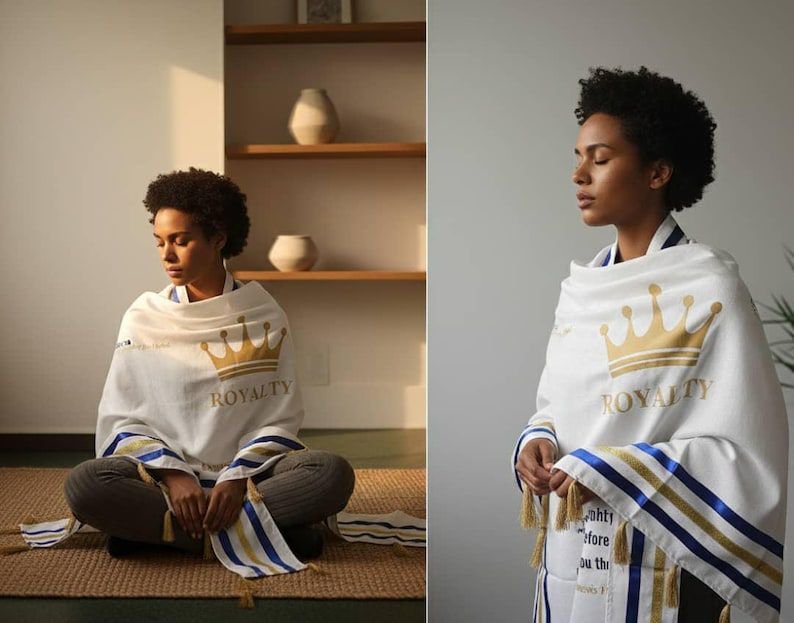
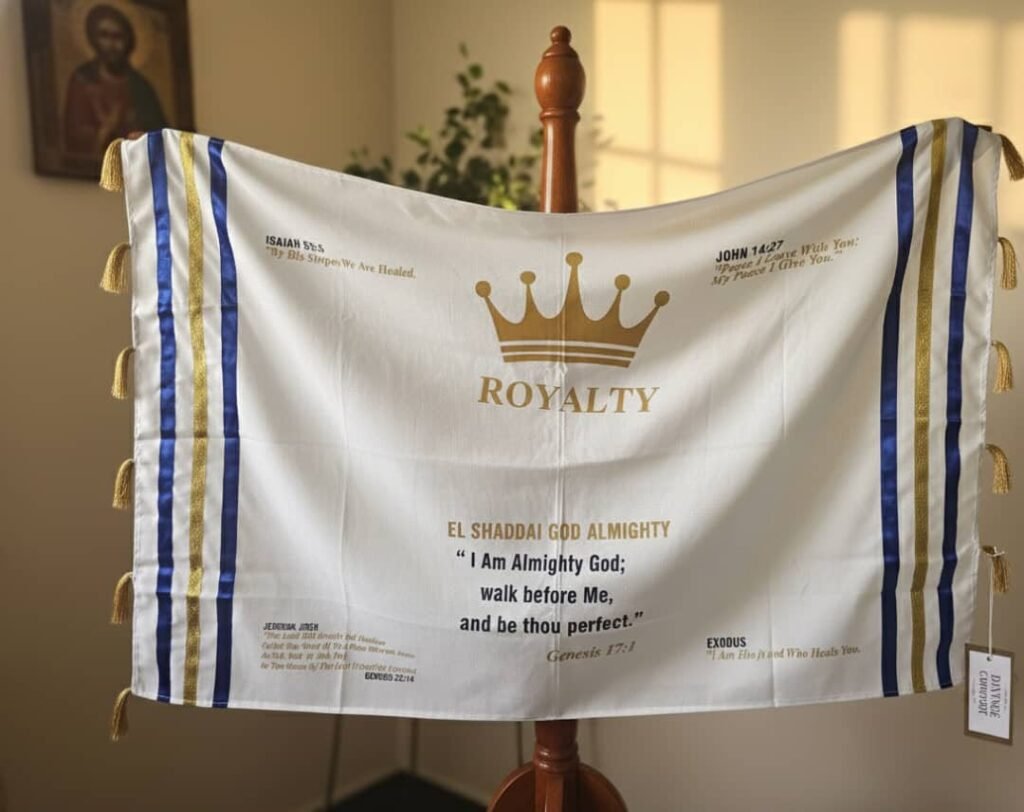
Prayer is one of the most personal ways believers draw near to God. Throughout Scripture, people created intentional moments and spaces for worship, reflection, and communion with Him. For many Christians today, a Christian Prayer Shawl serves as a meaningful reminder to set aside dedicated time for prayer and devotion. What Is a Christian Prayer Shawl? A Christian Prayer Shawl is a worship covering inspired by the traditional Jewish Tallit, a garment with deep biblical significance. While Christians are not commanded to wear a Tallit, many choose to use a prayer shawl during worship as a personal expression of reverence and focus. Rather than possessing spiritual power itself, a prayer shawl can help create a peaceful atmosphere for prayer, Bible study, worship, and quiet reflection. Why Do Christians Use Prayer Shawls? Many believers appreciate prayer shawls because they encourage intentional time with God. They are commonly used during: Personal prayer and daily devotion Church services and worship Bible study Prayer groups and intercession Christian retreats Quiet reflection For many, placing the shawl over their shoulders becomes a simple reminder to pause, pray, and focus on God’s presence. Inspired by Biblical Tradition Our prayer shawls draw inspiration from the traditional Tallit while being thoughtfully designed for Christian worship. Crafted from soft, breathable cotton, they are lightweight, comfortable, and suitable for everyday use at home, church, or while travelling. Whether you choose a classic white design symbolizing purity or an elegant beige shawl with timeless styling, each piece is made with comfort and quality in mind. A Meaningful Christian Gift A Christian Prayer Shawl also makes a thoughtful gift for: Birthdays Mother’s Day or Father’s Day Ministry appreciation Baptisms Church leaders Friends beginning a new faith journey It is a practical and meaningful way to encourage someone in their walk with Christ. Why Choose Our Christian Prayer Shawls? Every shawl in our collection is carefully selected with quality and comfort in mind. Inspired by the traditional Tallit Soft, breathable cotton fabric Comfortable for prayer and worship Suitable for men and women Ideal for church, home, and travel Carefully inspected before shipping Each purchase also includes our FREE 35-Day Royal Declaration eBook, designed to encourage daily Scripture reading, biblical affirmations, and consistent prayer. Final Thoughts A Christian Prayer Shawl is more than an accessory. It is a meaningful reminder to set aside intentional time for prayer, worship, and reflection on God’s Word. Whether you’re strengthening your personal devotional life or looking for a thoughtful Christian gift, a prayer shawl can become a treasured part of your faith journey. Explore our Christian Prayer Shawl Collection today and discover a beautifully crafted worship covering designed to support your moments of prayer and devotion. 🛍️ Shop Our Prayer Shawl Collection View Our Etsy Store
Christian Prayer Shawl: Meaning, Purpose & How It Can Enrich Your Prayer Life Read More »